Buying mining equipment is a major investment that directly impacts production efficiency, operating costs, and long-term profitability. This guide explains the most common purchasing mistakes and provides practical advice for selecting reliable equipment and trustworthy manufacturers.
Introductio
Purchasing mining equipment is one of the most important decisions for any mining company, quarry operator, or aggregate producer. Whether investing in a single crusher or an entire crushing and screening plant, the quality of the purchasing decision will influence production efficiency, maintenance costs, equipment reliability, and overall return on investment for many years.
Unfortunately, many buyers focus only on the initial purchase price while overlooking other critical factors such as equipment quality, production capacity, wear-part costs, after-sales service, and supplier experience. As a result, some projects experience unexpected downtime, higher maintenance expenses, or even complete production interruptions.
This guide highlights the most common mistakes made when purchasing mining equipment and explains how to avoid them.
1. Focusing Only on the Lowest Price
Price is naturally an important consideration, but it should never be the only factor.
Many low-cost machines appear attractive during the quotation stage. However, they often result in:
- Higher power consumption
- Lower production efficiency
- Shorter service life
- Frequent maintenance
- Expensive spare parts
- Increased downtime
For example, two jaw crushers may have similar purchase prices, but differences in steel quality, bearing brands, machining accuracy, and manufacturing processes can lead to significant differences in operating costs over their lifetime.
A lower purchase price does not always mean a lower total investment.
2. Ignoring the Total Cost of Ownership (TCO)
Professional buyers evaluate equipment based on its Total Cost of Ownership (TCO), not just its purchase price.
TCO includes:
- Equipment purchase cost
- Installation cost
- Transportation cost
- Power consumption
- Lubricants
- Wear parts
- Spare parts inventory
- Maintenance expenses
- Production downtime
- Equipment lifespan
In many cases, a machine with a slightly higher purchase price delivers much lower operating costs over five to ten years.
Always evaluate long-term value rather than short-term savings.
3. Purchasing Equipment Without Understanding the Material
Every mining project processes different materials.
Important material characteristics include:
- Hardness
- Abrasiveness
- Moisture
- Clay content
- Feed size
- Required product size
For example:
Granite
Requires heavy-duty jaw crushers and cone crushers.
Limestone
Usually performs well with jaw crushers and impact crushers.
River Stone
Requires equipment with excellent wear resistance.
Quartz
Demands high-quality crushing equipment due to its extremely abrasive nature.
Selecting equipment without considering material properties often leads to excessive wear and higher maintenance costs.
4. Selecting the Wrong Production Capacity
Many customers underestimate or overestimate their required production capacity.
Equipment Too Small
Problems include:
- Production bottlenecks
- Continuous overloading
- Reduced equipment life
- Missed production targets
Equipment Too Large
Problems include:
- Higher investment
- Increased electricity consumption
- Low equipment utilization
- Longer return on investment
Production capacity should be calculated according to:
- Annual production target
- Working days
- Working hours
- Future expansion plans
A properly sized production line offers the best balance between investment and productivity.
5. Choosing Equipment Without Considering Finished Product Requirements
Different projects require different aggregate sizes and particle shapes.
Typical finished products include:
- 0–5 mm
- 5–10 mm
- 10–20 mm
- 20–40 mm
- 40–70 mm
For example:
If high-quality concrete aggregates are required, particle shape becomes extremely important.
In this case, an impact crusher or a properly configured cone crusher may produce better results than a basic crushing system.
Understanding customer requirements before selecting equipment helps improve product quality and market competitiveness.
6. Ignoring Wear Parts and Spare Parts Availability
Wear parts are unavoidable in mining operations.
Before placing an order, buyers should ask:
- What are the main wear parts?
- How long do they typically last?
- Are spare parts readily available?
- Can they be supplied quickly?
- What is the replacement cost?
Reliable spare-parts support minimizes downtime and keeps production running smoothly.
A supplier with a stable inventory and fast delivery service provides significant long-term value.
7. Choosing an Inexperienced Supplier
The quality of your equipment depends largely on the capability of the manufacturer.
Some buyers choose suppliers based only on quotations without evaluating their production capacity or technical expertise.
Before making a purchasing decision, ask the following questions:
- How many years has the company been manufacturing mining equipment?
- Does the supplier own its factory?
- Can they provide successful project references?
- Do they have experienced engineers?
- Can they provide installation and commissioning support?
- Is technical training available?
An experienced manufacturer not only delivers reliable equipment but also helps customers optimize plant design, improve production efficiency, and solve technical problems throughout the project lifecycle.
8. Not Visiting the Factory
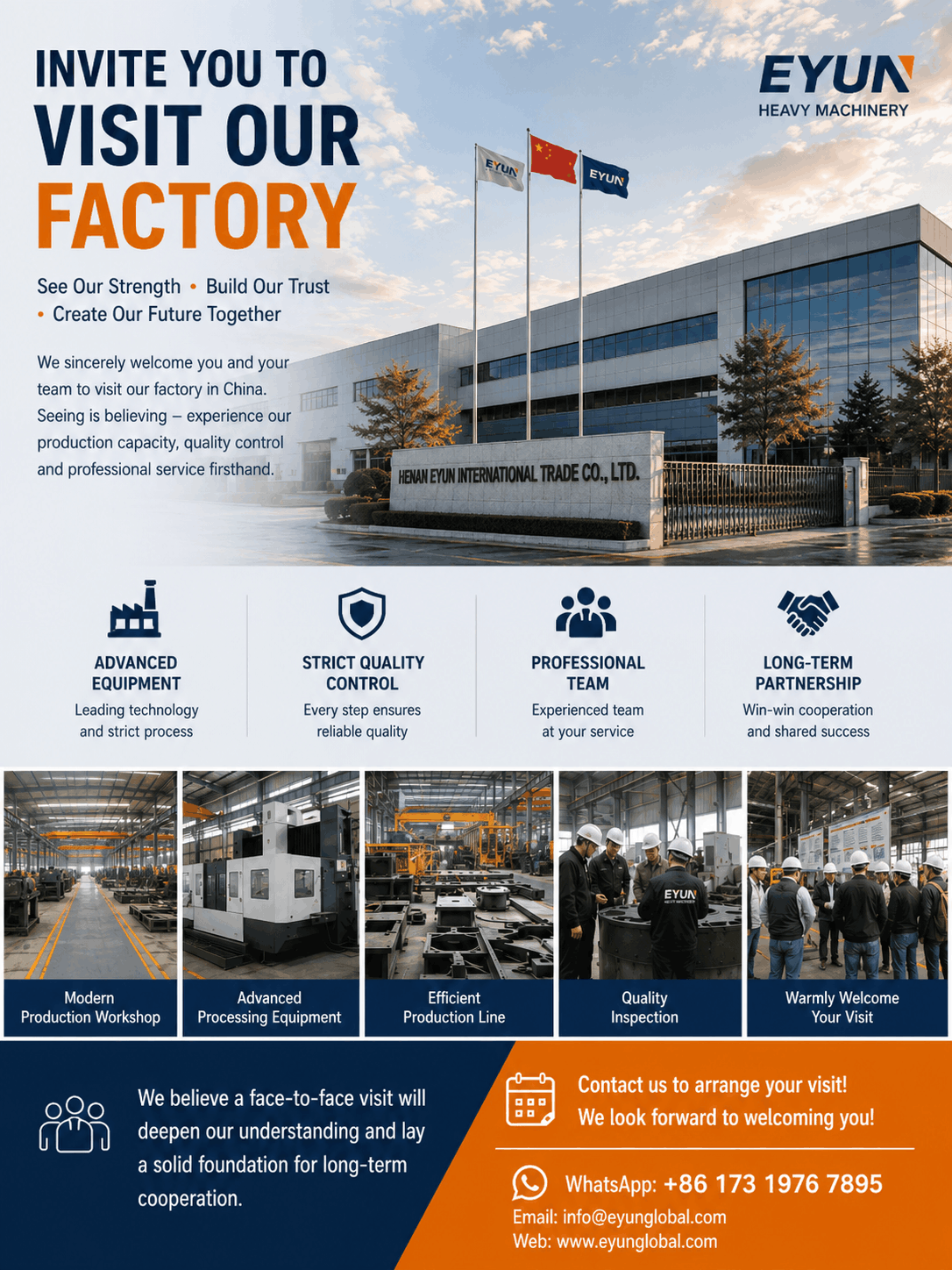
Whenever possible, visiting the manufacturer’s factory is highly recommended.
A factory visit allows buyers to verify:
- Manufacturing capability
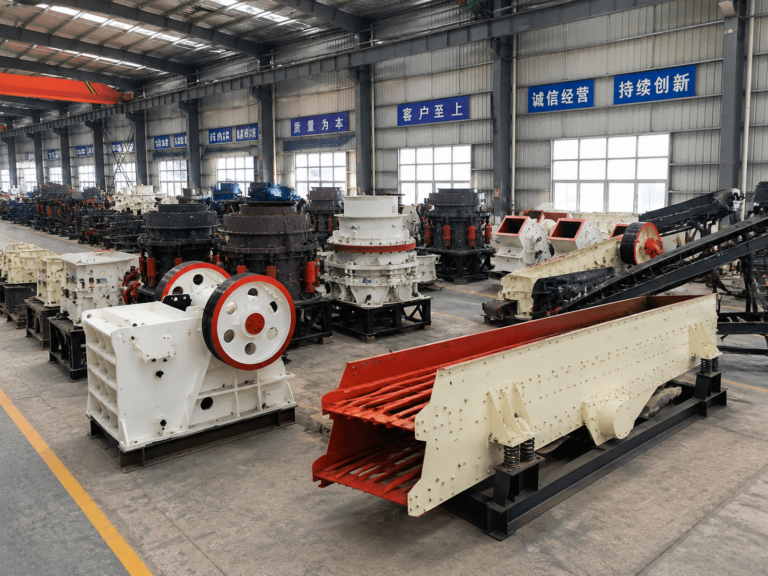
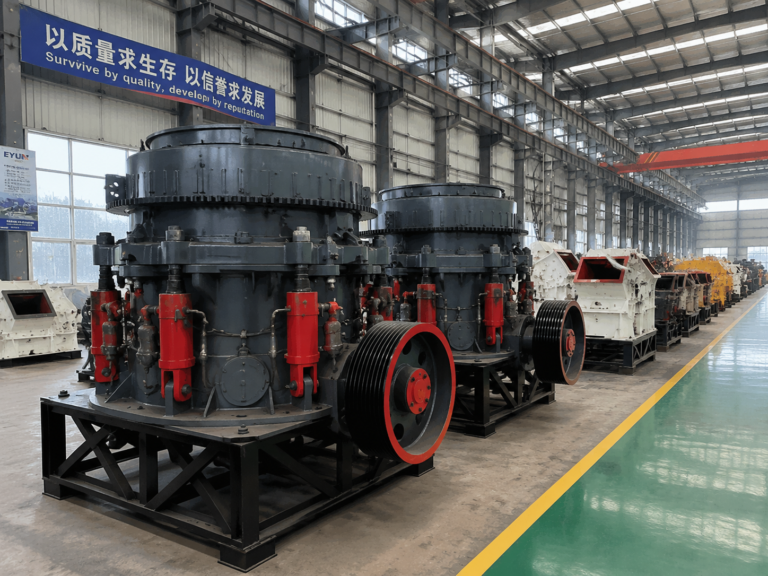
- Workshop size
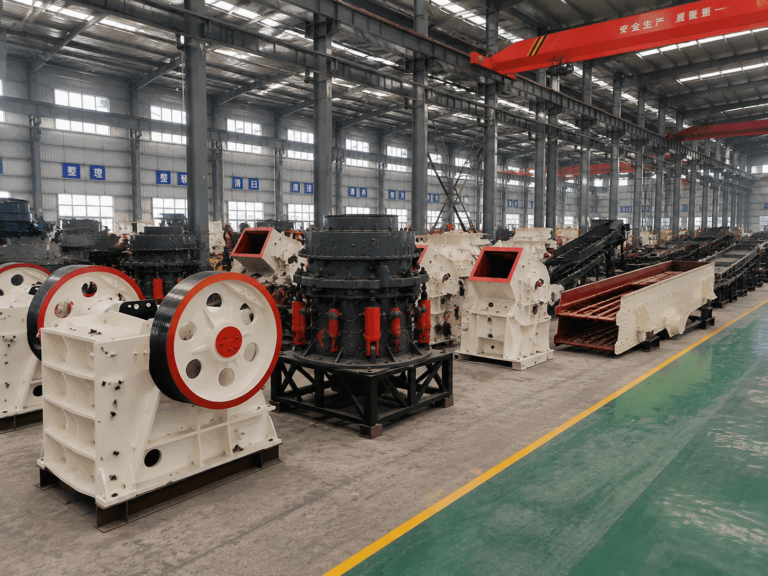
- Processing equipment
- Welding quality
- Machining accuracy
- Assembly process
- Quality inspection procedures
- Finished equipment inventory
If an on-site visit is not possible, request:
- Factory videos
- Live video inspections
- Production photos
- Customer references
- Quality certificates
A transparent manufacturer is usually confident in showing its production process.
9. Ignoring Quality Control Systems
Mining equipment operates under harsh conditions for many years.
Strict quality control during manufacturing is essential.
Key inspection stages include:
Raw Material Inspection
Ensure steel plates, castings, bearings, motors, and electrical components meet design specifications.
Machining Inspection
Critical dimensions should be measured and recorded.
Assembly Inspection
Check alignment, torque, lubrication, and component installation.
Whenever possible, major equipment should undergo trial operation before shipment.
Final Inspection
Inspect painting quality, labeling, packaging, and documentation before delivery.
A complete quality management system greatly improves equipment reliability.
10. Underestimating After-Sales Service
Excellent after-sales service is often more valuable than a lower purchase price.
A professional supplier should provide:
- Equipment installation guidance
- Commissioning support
- Operator training
- Maintenance manuals
- Spare parts recommendations
- Online technical support
- Emergency troubleshooting
Fast technical support minimizes downtime and protects production schedules.
11. Ignoring Future Expansion
Mining operations frequently increase production as demand grows.
A production line designed only for current requirements may require costly modifications later.
During the design stage, consider:
- Additional crusher locations
- Larger conveyor capacity
- Reserved electrical capacity
- Space for extra vibrating screens
- Future stockpile areas
Planning ahead reduces future investment costs and production interruptions.
12. Real Project Example
Project Background
A customer planned to build a 250 TPH hard rock crushing plant.
Initially, the customer intended to purchase equipment solely based on the lowest quotation received.
After reviewing the project, engineers identified several issues:
- Crusher capacity was insufficient.
- Belt conveyors were undersized.
- The vibrating screen could not meet the required output.
- No dust suppression system was included.
- Future expansion had not been considered.
A revised solution was proposed with properly matched equipment, improved process flow, and reserved capacity for future expansion.
Although the initial investment increased slightly, the customer benefited from:
- Higher production efficiency
- Lower maintenance costs
- Reduced downtime
- Better aggregate quality
- Easier future upgrades
This example demonstrates that professional engineering design creates greater long-term value than simply purchasing the lowest-priced equipment.
13. Mining Equipment Purchasing Checklist
Before signing a contract, confirm the following:
Technical Requirements
✔ Material type
✔ Feed size
✔ Required capacity
✔ Finished product sizes
✔ Site conditions
✔ Power supply
Equipment Configuration
✔ Crusher selection
✔ Screening equipment
✔ Feeding equipment
✔ Conveyors
✔ Dust suppression
✔ Electrical control system
Supplier Evaluation
✔ Manufacturing experience
✔ Factory capability
✔ Quality certifications
✔ Project references
✔ Engineering support
✔ Spare parts availability
Commercial Terms
✔ Delivery time
✔ Warranty period
✔ Payment terms
✔ Packaging
✔ Installation support
✔ Technical documentation
A comprehensive checklist reduces purchasing risks and improves project success.
Conclusion
Purchasing mining equipment should never be based solely on the lowest quotation.
Successful projects result from selecting reliable equipment, experienced manufacturers, appropriate production line designs, and dependable after-sales support.
By evaluating the total cost of ownership, understanding material characteristics, verifying supplier capabilities, and planning for future expansion, buyers can significantly improve production efficiency while reducing long-term operating costs.
A carefully planned investment today will generate reliable performance and higher profitability for many years.
Looking for professional advice before purchasing mining equipment?
Our experienced engineering team can help you:
- Select the right equipment
- Design an efficient production line
- Optimize investment costs
- Provide customized solutions
- Support installation and commissioning
- Supply spare parts and long-term technical service
Our product range includes:
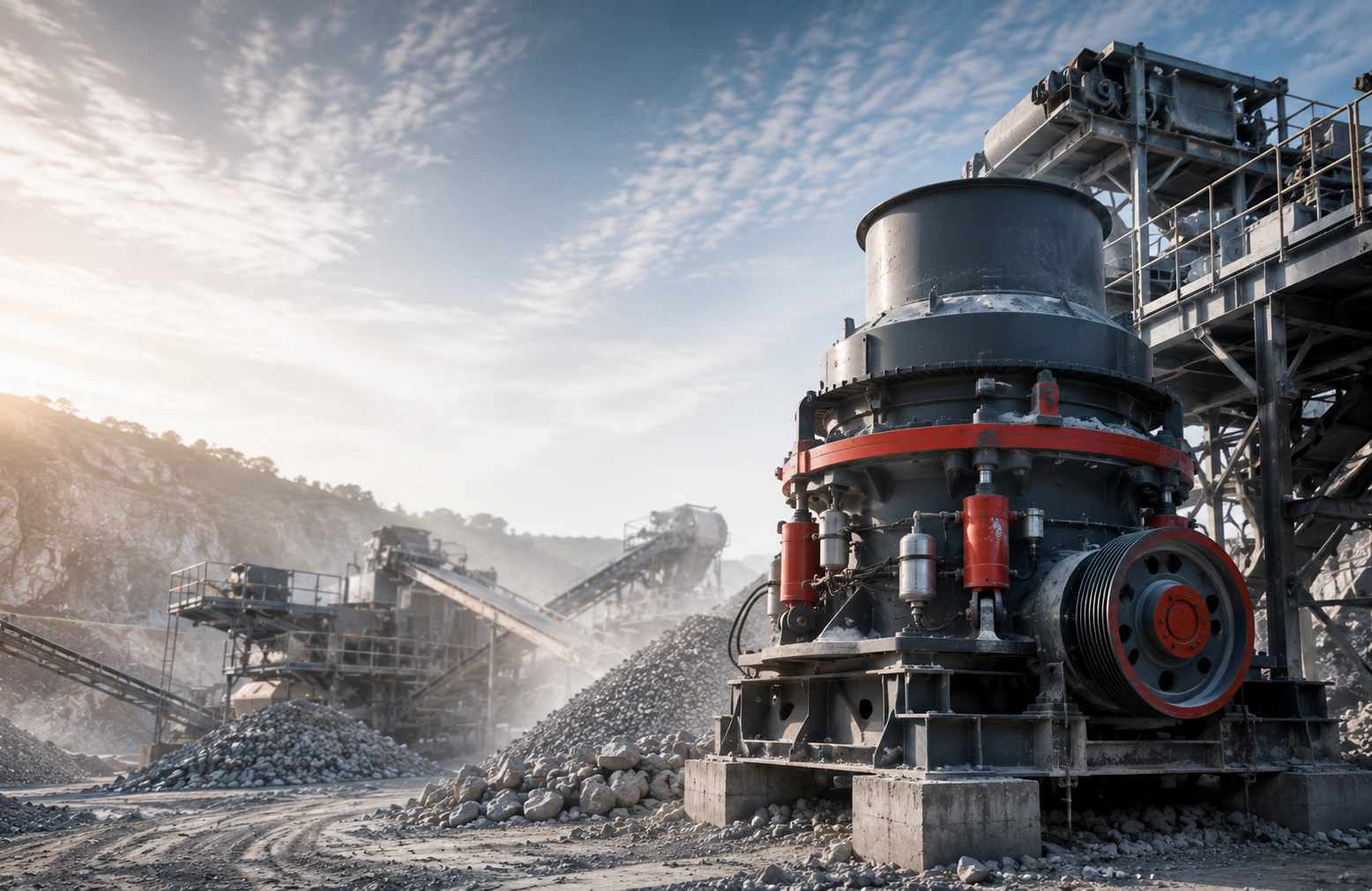
- Jaw Crushers
- Cone Crushers
- Impact Crushers
- Vibrating Feeders
- Vibrating Screens
- Belt Conveyors
- Ball Mills
- Flotation Equipment
- Complete Crushing & Screening Plants
- EPC Project Solutions
Whether your project is 50 TPH or 1,000+ TPH, we are committed to delivering reliable equipment, professional engineering support, and long-term value.
Contact us today to discuss your project requirements and receive a customized solution from our engineering team.