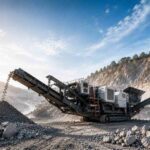
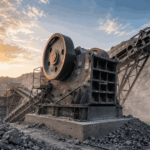
The mining industry is entering a new era of digitalization, automation, sustainability, and intelligent production. Discover the key mining industry trends shaping 2026 and learn how advanced equipment and modern technologies are transforming global mining operations.
Mining Industry Trends 2026: Smarter, Greener, and More Efficient
Introduction
The global mining industry is undergoing rapid transformation.
Driven by increasing demand for minerals, stricter environmental regulations, rising labor costs, and continuous technological innovation, mining companies are investing heavily in smarter, safer, and more sustainable production systems.
Traditional mining methods are gradually being replaced by intelligent equipment, automated production lines, digital monitoring platforms, and energy-efficient technologies.
For equipment manufacturers, engineering companies, and mine operators, understanding these industry trends is essential for maintaining competitiveness and achieving long-term growth.
This article explores the most important developments shaping the mining industry in 2026.
Digital technologies are becoming an essential part of modern mining operations.
Mining companies are increasingly integrating:
- Industrial Internet of Things (IIoT)
- Cloud-based production management
- Digital twins
- Big data analytics
- Artificial intelligence
- Remote monitoring systems
These technologies provide real-time production data, enabling faster decision-making and more efficient plant management.
Benefits include:
- Improved production visibility
- Reduced downtime
- Better equipment utilization
- More accurate production forecasting
Digital transformation is no longer optional—it is becoming a competitive necessity.
2. Automation Continues to Expand
Automation has moved beyond large mining companies and is now being adopted by medium-sized aggregate plants and quarries.
Modern automated systems can control:
- Feed rate
- Crusher settings
- Conveyor speed
- Screen performance
- Dust suppression
- Power consumption
PLC and SCADA systems allow operators to monitor the entire production line from a centralized control room.
Advantages include:
- Lower labor costs
- Improved production consistency
- Faster fault diagnosis
- Reduced operational risks
3. Energy Efficiency Becomes a Priority
Energy costs account for a significant portion of mining operating expenses.
To reduce energy consumption, many companies are upgrading to:
- High-efficiency electric motors
- Variable Frequency Drives (VFDs)
- Optimized crushing circuits
- Intelligent power management systems
- Energy monitoring software
Well-designed crushing plants can significantly reduce electricity consumption per ton of material processed.
Energy efficiency not only lowers production costs but also supports sustainability goals.
4. Environmental Protection Drives Equipment Upgrades
Environmental compliance has become one of the primary considerations when designing new mining projects.
Modern plants increasingly incorporate:
- Dust collection systems
- Water recycling systems
- Noise reduction technologies
- High-efficiency screening equipment
- Closed material transfer systems
These improvements help reduce environmental impact while creating safer working conditions.
Many project owners now evaluate equipment suppliers not only on price but also on environmental performance.
5. Intelligent Maintenance Reduces Downtime
Unexpected equipment failures remain one of the largest sources of production loss.
To improve reliability, mining companies are implementing predictive maintenance technologies.
Typical monitoring methods include:
- Vibration analysis
- Oil analysis
- Bearing temperature monitoring
- Infrared thermal imaging
- Motor current analysis
Instead of repairing equipment after failure occurs, predictive maintenance identifies potential issues early, reducing downtime and maintenance costs.
6. Demand for Customized Solutions Continues to Grow
Every mining project has unique requirements.
Factors influencing equipment selection include:
- Material characteristics
- Capacity requirements
- Product specifications
- Climate conditions
- Site elevation
- Available space
- Budget
As a result, customers increasingly prefer customized engineering solutions rather than standard equipment packages.
Manufacturers capable of providing complete process design, equipment customization, and technical support are becoming preferred partners in the global mining industry.
7. Artificial Intelligence Is Reshaping Mining Operations
Artificial Intelligence (AI) is becoming an important tool for improving efficiency throughout the mining industry.
Modern AI applications include:
- Production optimization
- Predictive maintenance
- Ore grade prediction
- Equipment fault diagnosis
- Energy consumption analysis
- Production scheduling
By analyzing large amounts of operational data, AI helps engineers identify inefficiencies and recommend improvements that would be difficult to detect manually.
As AI technology matures, mining companies can expect higher equipment availability, improved production planning, and lower maintenance costs.
8. Remote Operation Centers
Remote operation has become increasingly common, particularly for mines located in harsh or isolated environments.
Centralized control centers allow operators to monitor and manage equipment from a single location.
Typical functions include:
- Real-time equipment monitoring
- Production reporting
- Alarm management
- Remote parameter adjustment
- Video surveillance
- Equipment diagnostics
Benefits include:
- Improved operator safety
- Reduced travel requirements
- Faster technical support
- Better production coordination
Remote operation is expected to become standard practice for many large mining projects.
9. Sustainable Mining Practices
Sustainability has become a strategic priority for governments, investors, and mining companies.
Key objectives include:
- Lower energy consumption
- Reduced greenhouse gas emissions
- Efficient water management
- Responsible waste disposal
- Improved resource utilization
Equipment manufacturers also contribute by developing:
- Energy-efficient crushers
- Low-noise equipment
- Water-saving washing systems
- High-efficiency motors
- Recyclable wear parts
Sustainable technologies help reduce environmental impact while lowering operating costs.
10. Global Market Opportunities
Demand for mining equipment continues to grow across many regions.
Central Asia
Countries rich in mineral resources continue to invest in:
- Gold mining
- Copper mining
- Iron ore processing
- Aggregate production
Infrastructure development further increases demand for crushing and screening equipment.
Africa
Rapid urbanization and resource development drive demand for:
- Quarry equipment
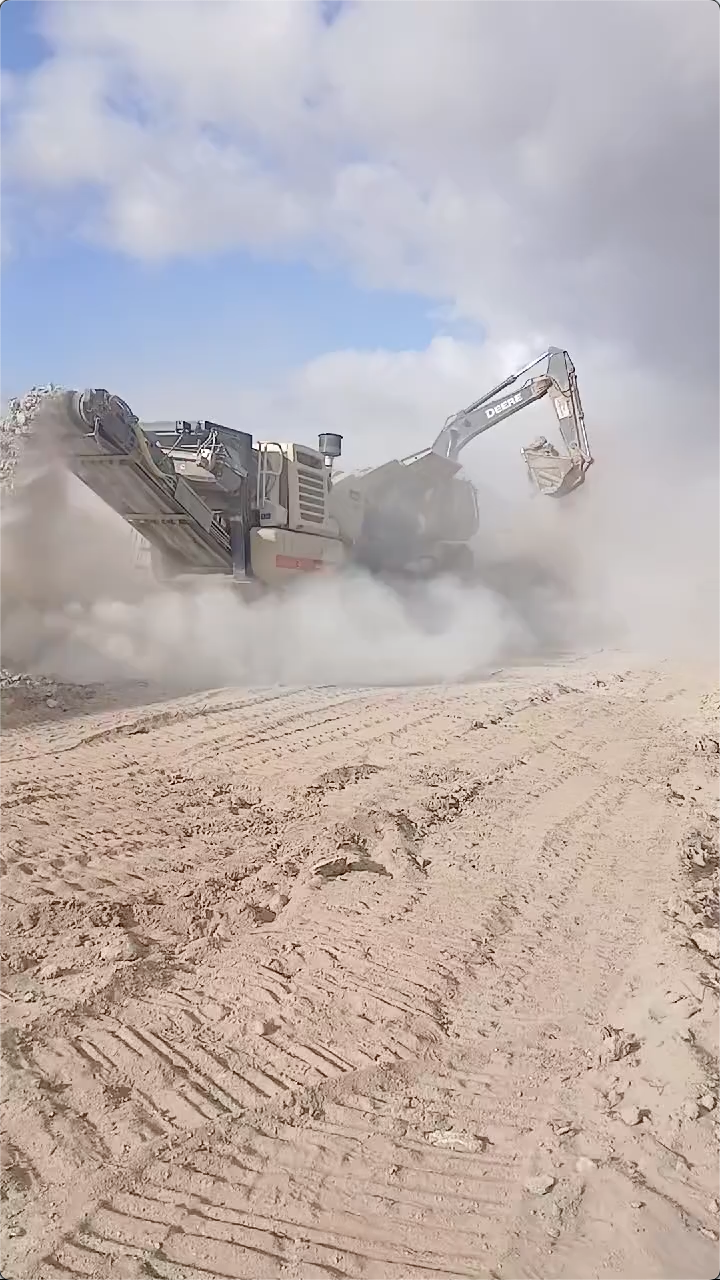
- Mobile crushing plants
- Gold processing equipment
- Cement raw material preparation
Reliable equipment with simple maintenance remains highly valued.
Middle East
Construction projects and infrastructure investments continue to support demand for:
- Aggregate production lines
- Sand production plants
- Crushing equipment
- Screening equipment
Southeast Asia
Industrial development and transportation projects increase the need for:
- Limestone processing
- Manufactured sand production
- Concrete aggregate plants
Manufacturers offering customized solutions are well positioned for long-term growth.
11. Future Development of Mining Equipment
Mining equipment continues to evolve toward greater efficiency and intelligence.
Future trends include:
- Higher automation
- Modular equipment design
- Intelligent control systems
- Remote diagnostics
- Lower energy consumption
- Reduced maintenance requirements
- Greater production flexibility
Equipment manufacturers increasingly focus on total life-cycle value rather than simply machine performance.
12. Emerging Technologies
Several technologies are expected to shape the next generation of mining equipment.
Smart Sensors
Continuous monitoring of:
- Bearings
- Motors
- Hydraulic systems
- Gearboxes
- Conveyors
Digital Twins
Virtual models simulate equipment performance and help optimize maintenance planning.
Industrial Internet of Things (IIoT)
Connected equipment enables real-time production analysis and remote decision-making.
Advanced Materials
Improved wear-resistant alloys and composite materials extend component life while reducing maintenance costs.
13. Real Project Example
Project Overview
A customer planned to modernize an aging aggregate production plant.
Objectives included:
- Increasing production capacity
- Reducing energy consumption
- Improving aggregate quality
- Lowering maintenance costs
Engineering solutions included:
- Replacing outdated crushers with high-efficiency models
- Installing PLC automation
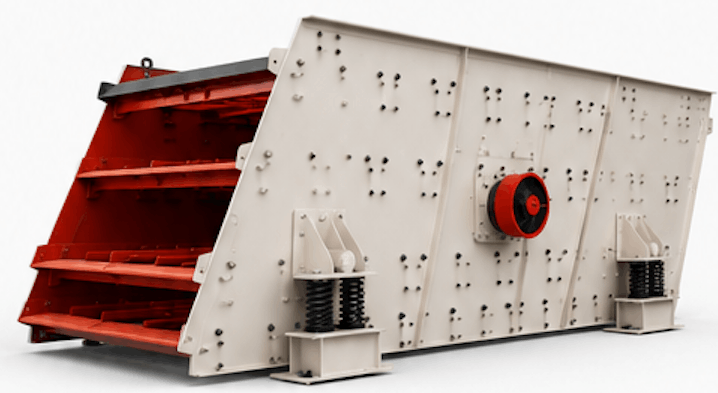
- Upgrading vibrating screens
- Adding dust suppression systems
- Implementing predictive maintenance monitoring
Results after one year:
- Higher production output
- Lower electricity consumption
- Reduced downtime
- Improved finished product quality
- Greater customer satisfaction
This project demonstrates how modern technologies can significantly improve plant performance and profitability.
14. Strategic Recommendations
Mining companies preparing for future growth should consider the following priorities:
- Invest in energy-efficient equipment.
- Adopt automation where practical.
- Implement preventive and predictive maintenance.
- Plan for future production expansion.
- Strengthen environmental protection measures.
- Utilize production data for continuous improvement.
- Select equipment suppliers capable of providing long-term engineering support.
Long-term success depends not only on equipment quality but also on strategic planning and continuous innovation.
Conclusion
The mining industry is entering a new era defined by digital technologies, intelligent automation, environmental responsibility, and higher production efficiency.
Companies that invest in advanced equipment, modern engineering practices, and sustainable operations will be better positioned to compete in global markets.
For equipment manufacturers, the future lies not only in producing reliable machines but also in delivering complete engineering solutions, technical expertise, and long-term customer support.
The future of mining belongs to operations that are smarter, greener, safer, and more efficient.
Looking for a trusted partner for your next mining project?
Our engineering and manufacturing teams provide:
✔ Complete Crushing & Screening Plants
✔ Mineral Processing Equipment
✔ Ball Mills
✔ Flotation Systems
✔ Vibrating Feeders & Screens
✔ Belt Conveyors
✔ Sand Making Solutions
✔ EPC Project Services
✔ OEM & ODM Manufacturing
✔ Installation, Commissioning & Training
✔ Long-Term Technical Support
Whether you are developing a new mine, expanding an aggregate plant, or upgrading existing equipment, we are ready to provide customized solutions that meet your production goals and support sustainable growth.
Contact us today to discuss your project and discover how modern mining technologies can improve your productivity and long-term profitability.