Stay Updated with Eyun Machinery News

488+ subscribers
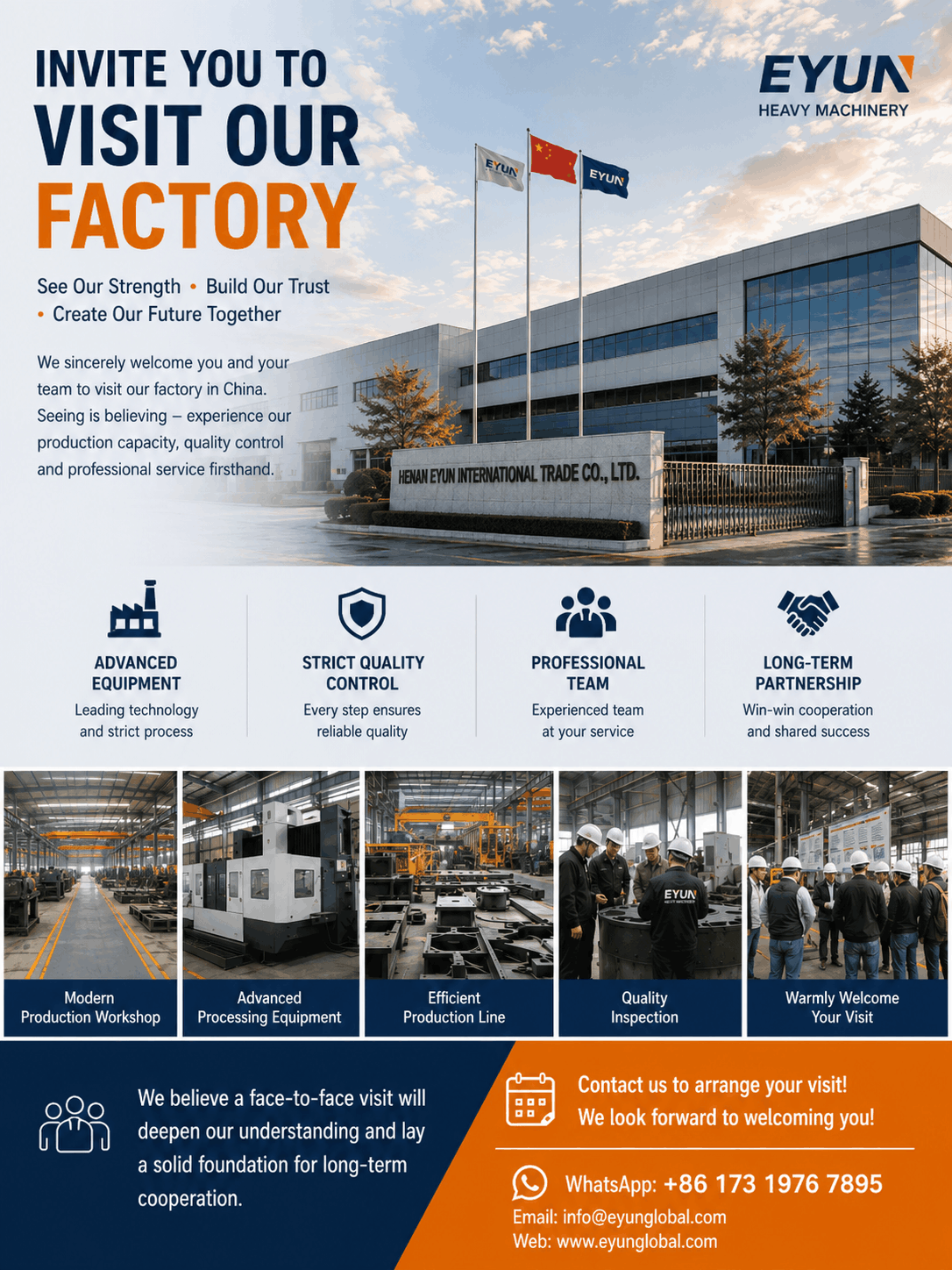
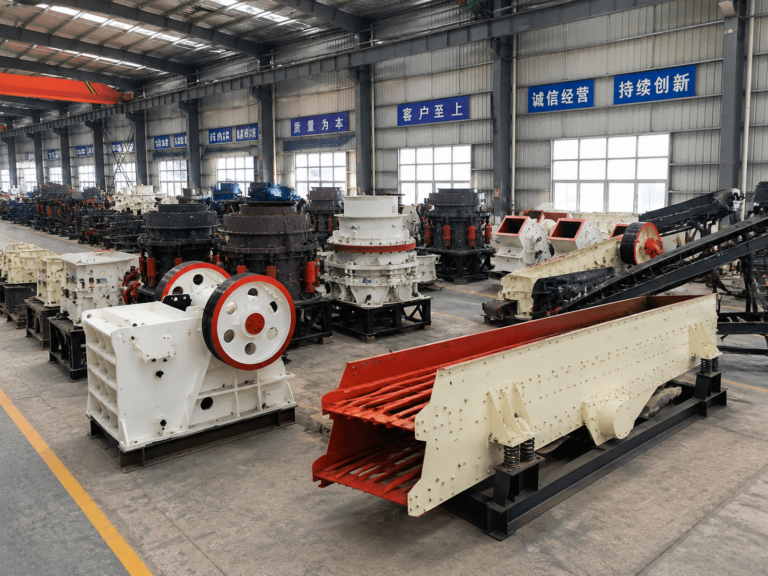
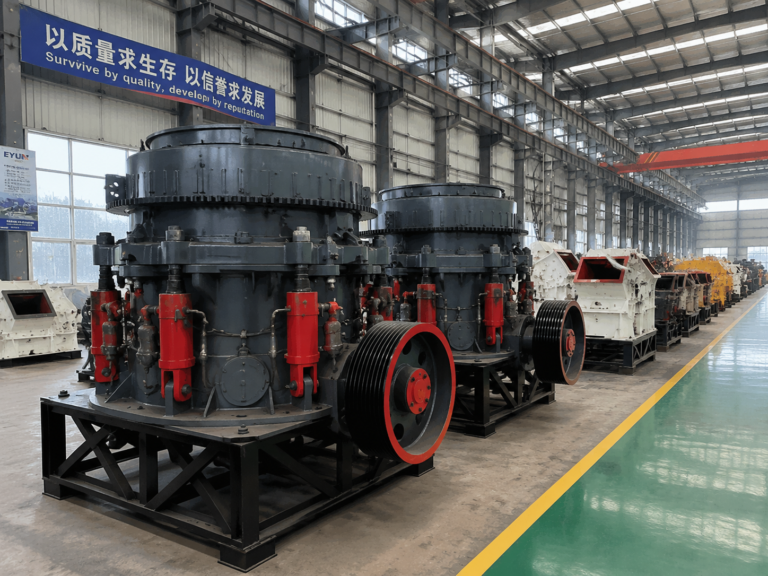
Henan Eyun International Trade Co., Ltd. specializes in the global supply of mining machinery, crushing and screening equipment, cranes, castings, gears, reducers and complete industrial solutions.
Backed by trusted manufacturing partners, strict quality control and extensive export experience, we provide reliable products, competitive prices and efficient services to customers in more than 80 countries.

How to Improve Aggregate Quality Through Proper Equipment Selection

Meta Description

Aggregate quality directly affects the strength, durability, and market value of concrete, asphalt, and construction materials. Learn how proper equipment selection, optimized process design, and effective quality control can improve aggregate quality while reducing production costs.


How to Improve Aggregate Quality Through Proper Equipment Selection

Introduction

High-quality aggregates are the foundation of modern infrastructure. Whether used in highways, railways, airports, bridges, commercial buildings, or residential construction, aggregate quality directly influences the strength, durability, and service life of the final structure.

Today, customers no longer focus only on production capacity. Contractors, concrete producers, and government projects increasingly demand aggregates with consistent particle size, excellent particle shape, low dust content, and high mechanical strength.

Many aggregate quality problems originate not from the raw material itself, but from improper equipment selection or poorly designed production processes.

This guide explains how selecting the right equipment can significantly improve aggregate quality while maximizing production efficiency and profitability.


1. What Defines High-Quality Aggregate?

High-quality aggregates should meet several important characteristics.

Uniform Particle Size Distribution

Consistent grading ensures better workability in concrete and asphalt while reducing material segregation.

Typical aggregate sizes include:

  • 0–5 mm
  • 5–10 mm
  • 10–20 mm
  • 20–40 mm
  • 40–70 mm

Accurate screening equipment is essential for maintaining grading consistency.


Excellent Particle Shape

Particle shape greatly affects concrete performance.

Cubical aggregates provide:

  • Better concrete strength
  • Improved asphalt stability
  • Higher compaction efficiency
  • Lower cement consumption

Flat or elongated particles reduce construction quality and increase material consumption.


Low Dust Content

Excessive dust negatively affects:

  • Concrete bonding
  • Asphalt adhesion
  • Aggregate cleanliness
  • Product market value

Proper screening and optional washing systems help reduce fine dust contamination.


High Mechanical Strength

Aggregates should resist:

  • Compression
  • Abrasion
  • Impact
  • Freeze-thaw cycles

The crushing process should preserve the natural strength of the rock while minimizing unnecessary fractures.


2. Why Equipment Selection Matters

Many producers assume that raw material quality alone determines aggregate quality.

In reality, equipment selection has an equally important influence.

Factors affected by equipment include:

  • Particle shape
  • Size consistency
  • Fines generation
  • Production efficiency
  • Product recovery rate
  • Energy consumption

Choosing the wrong equipment can produce excessive fines, irregular particle shapes, and inconsistent product grading.


3. Selecting the Right Primary Crusher

The primary crusher establishes the foundation of the entire production process.

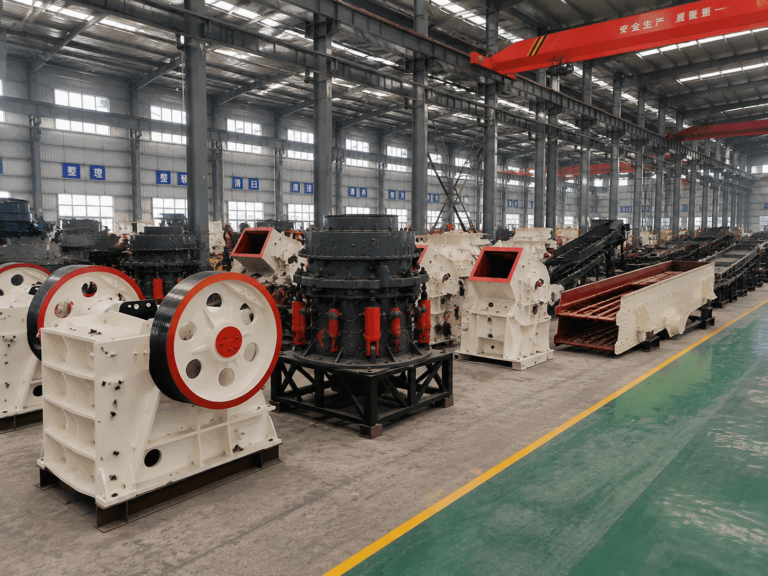
For most mining and quarry applications, the jaw crusher remains the preferred choice.

Advantages include:

  • Large feed opening
  • Reliable operation
  • High crushing efficiency
  • Suitable for hard rock
  • Long service life

Proper adjustment of the discharge opening also influences the efficiency of downstream equipment.


4. Selecting the Best Secondary Crusher

Secondary crushing has the greatest influence on aggregate quality.

Cone Crusher

Recommended for:

  • Granite
  • Basalt
  • River stone
  • Quartz

Advantages:

  • Excellent particle size consistency
  • Low wear cost
  • Stable production
  • High production capacity

Impact Crusher

Recommended for:

  • Limestone
  • Dolomite
  • Construction waste

Advantages:

  • Superior particle shape
  • Higher reduction ratio
  • Lower initial investment

Selecting the appropriate secondary crusher according to rock characteristics significantly improves final product quality.


5. Screening Determines Final Product Quality

Even the best crusher cannot produce qualified aggregates without an efficient screening system.

High-performance vibrating screens provide:

  • Accurate particle separation
  • Stable product grading
  • Higher production efficiency
  • Reduced recirculation

Important considerations include:

  • Number of screen decks
  • Screen mesh size
  • Vibration frequency
  • Screen inclination
  • Material feed distribution

Proper screen selection directly improves product consistency and customer satisfaction.


6. Optimizing the Crushing Process

Equipment alone cannot guarantee high-quality aggregates.

Process optimization is equally important.

Recommended practices include:

Stable Feeding

A vibrating feeder should provide continuous and even material flow.

Uneven feeding causes:

  • Reduced crusher efficiency
  • Increased liner wear
  • Inconsistent product size

Proper Closed-Circuit Crushing

Closed-circuit systems return oversized material for additional crushing.

Benefits include:

  • Better product grading
  • Reduced oversized material
  • Higher crushing efficiency

Appropriate Reduction Ratio

Excessive reduction in a single crushing stage may generate unnecessary fines and reduce aggregate quality.

Multiple properly designed crushing stages usually produce superior results.

7. Improving Manufactured Sand Quality

With the increasing shortage of natural river sand, manufactured sand has become an essential material for concrete production and infrastructure projects.

However, producing high-quality manufactured sand requires more than simply crushing rock into smaller particles.

Important quality indicators include:

  • Particle shape
  • Gradation
  • Fineness modulus
  • Stone powder content
  • Moisture content
  • Cleanliness

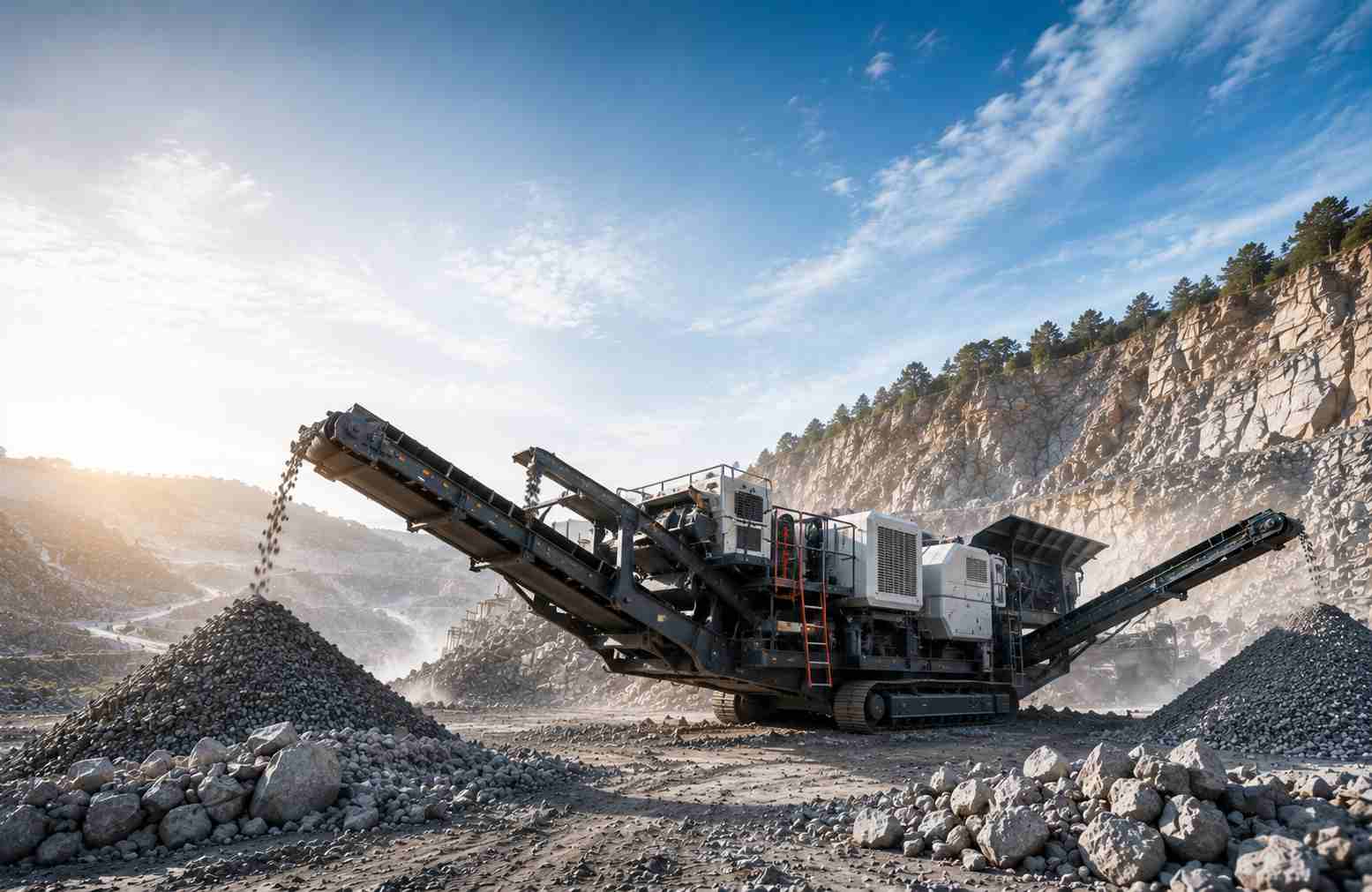
To improve sand quality, many modern plants incorporate a Vertical Shaft Impact (VSI) Sand Making Machine after secondary or tertiary crushing.

Benefits of VSI Sand Making Machines

  • Produces cubical particles
  • Improves particle grading
  • Reduces flaky and elongated particles
  • Enhances concrete performance
  • Increases market value of finished products

When combined with proper screening and sand washing systems, VSI crushers can produce premium manufactured sand suitable for commercial concrete production.


8. Sand Washing and Dewatering Systems

Even well-crushed aggregates may contain excessive dust, clay, or impurities.

Installing a washing system can significantly improve product cleanliness.

Common washing equipment includes:

  • Wheel Bucket Sand Washers
  • Spiral Sand Washers
  • Dewatering Screens
  • Hydrocyclones
  • Thickener Tanks

Advantages

  • Lower mud content
  • Cleaner aggregates
  • Improved concrete bonding
  • Better asphalt adhesion
  • Higher product selling price

Water recycling systems are increasingly adopted to reduce water consumption and comply with environmental regulations.


9. Dust Control for Better Product Quality

Dust is not only an environmental issue—it also affects aggregate quality.

Excessive dust can:

  • Reduce product cleanliness
  • Increase equipment wear
  • Affect concrete performance
  • Create unsafe working conditions

Recommended dust control measures include:

  • Water spray systems
  • Dust collectors
  • Enclosed transfer points
  • Sealed conveyors
  • Regular plant cleaning

An effective dust suppression system improves both product quality and workplace safety.


10. Laboratory Testing and Quality Inspection

Consistent aggregate quality requires regular testing.

Common laboratory tests include:

Particle Size Analysis

Verifies grading meets project specifications.


Flakiness and Elongation Index

Measures particle shape quality.

Lower values generally indicate better aggregate performance.


Los Angeles Abrasion Test

Evaluates aggregate wear resistance.

Essential for road and railway applications.


Crushing Value Test

Measures aggregate resistance to compressive forces.

Used to determine suitability for structural applications.


Moisture Content

Important for concrete batching and asphalt production.

Routine laboratory testing helps ensure consistent product quality and compliance with customer specifications.


11. Automation Improves Quality Consistency

Automation reduces human error and improves process stability.

Modern crushing plants commonly use PLC control systems to monitor:

  • Feed rate
  • Crusher load
  • Conveyor operation
  • Screen performance
  • Motor current
  • Production statistics

Benefits include:

  • Stable production
  • Improved product consistency
  • Lower labor costs
  • Faster fault diagnosis
  • Better production data management

Automation is especially valuable for medium and large aggregate plants operating continuously.


12. Real Project Examples

Case 1 – 100 TPH Granite Plant

Challenge:

Customer required high-quality railway ballast.

Solution:

  • Jaw Crusher
  • Cone Crusher
  • Three-deck Vibrating Screen

Results:

  • Uniform particle size
  • Low flakiness index
  • Excellent mechanical strength
  • Stable production

Case 2 – 300 TPH Limestone Quarry

Challenge:

Customer supplied aggregates to commercial concrete producers.

Solution:

  • Jaw Crusher
  • Impact Crusher
  • Vibrating Screen
  • Sand Washer

Results:

  • Excellent particle shape
  • Low dust content
  • Increased product value
  • Higher customer satisfaction

Case 3 – 500 TPH Aggregate Plant

Challenge:

Produce both construction aggregates and manufactured sand.

Solution:

  • Heavy-duty Jaw Crusher
  • Hydraulic Cone Crusher
  • VSI Sand Making Machine
  • Multi-deck Vibrating Screen
  • Sand Washing System

Results:

  • High-quality manufactured sand
  • Multiple finished product sizes
  • High production efficiency
  • Reduced operating costs

13. Common Aggregate Quality Problems and Solutions

ProblemPossible CauseRecommended Solution
Excessive flaky particlesIncorrect crusher selectionReplace impact stage with cone crusher or add VSI shaping
Poor particle gradingInefficient screeningUpgrade vibrating screen or adjust screen mesh sizes
High dust contentInsufficient washing or dust controlInstall washing and dust suppression systems
Excessive fine materialImproper crusher settingsOptimize crusher discharge opening and reduction ratio
Inconsistent product sizeUneven feedingInstall or optimize vibrating feeder

Regular process evaluation helps maintain consistent product quality and minimize production losses.


14. Best Practices for Long-Term Aggregate Quality

To achieve sustainable product quality:

  • Select equipment according to rock characteristics.
  • Use properly matched crushers and screens.
  • Maintain stable feed conditions.
  • Replace wear parts before excessive wear occurs.
  • Perform regular laboratory testing.
  • Implement preventive maintenance.
  • Utilize automation where appropriate.
  • Train operators continuously.
  • Monitor production data and make timely adjustments.

Long-term quality management improves customer confidence, increases product value, and enhances overall profitability.


Conclusion

Aggregate quality is determined by the entire production system—not by a single machine.

A combination of proper equipment selection, optimized process flow, efficient screening, dust control, washing systems, laboratory testing, and preventive maintenance ensures consistent production of high-quality aggregates.

Whether your project produces crushed stone for highways, railway ballast, concrete aggregates, or manufactured sand, investing in the right equipment and quality management system will generate long-term operational and financial benefits.


Contact Us

Planning to build or upgrade an aggregate production line?

Our engineering team can help you:

  • Select the right crushing equipment
  • Design a customized crushing and screening process
  • Improve aggregate quality
  • Optimize production efficiency
  • Reduce operating costs
  • Provide installation, commissioning, and operator training

Our product portfolio includes:

✔ Jaw Crushers
✔ Cone Crushers
✔ Impact Crushers
✔ VSI Sand Making Machines
✔ Vibrating Feeders
✔ Vibrating Screens
✔ Sand Washing Systems
✔ Dewatering Equipment
✔ Belt Conveyors
✔ Complete Aggregate Production Lines
✔ EPC Project Solutions

Contact us today to discuss your project. Together, we can design a production line that delivers superior aggregate quality, reliable performance, and long-term profitability.


发表回复

您的邮箱地址不会被公开。 必填项已用 * 标注